One mistake many farmers make is assuming that agriculture rewards effort alone.
It does not.
Agriculture rewards timing.
You can plant correctly, manage your farm well, harvest good yield, and still struggle to make profit simply because you entered the market at the wrong time.
In Nigeria, agricultural markets follow seasons. Demand changes. Supply changes. Prices move accordingly.
Farmers who understand seasonal demand often earn more from the same crop than those who do not.
The difference is not luck.
It is planning.

What Is Seasonal Market Demand?
Seasonal market demand refers to how the need for certain farm produce changes during different periods of the year.
Some crops become scarce during certain months. Others flood the market at harvest periods.
When supply is low and demand remains high, prices increase.
When supply becomes excessive, prices fall.
This cycle repeats every year.
Understanding it allows farmers to position themselves ahead of the market instead of reacting to it.
Why Prices Rise and Fall in Agriculture
Agricultural production in Nigeria still depends heavily on rainfall.
Because many farmers plant at the same time during the rainy season, harvest also happens around the same period.
This creates oversupply.
For example:
Maize harvested during peak season often sells cheaper because many farmers are selling simultaneously.
But maize stored and sold months later may command higher prices when supply reduces.
The same applies to tomatoes, pepper, vegetables, and grains.
Market price is rarely random. It follows supply patterns.
Rainy Season vs Dry Season Opportunities
The rainy season supports natural crop growth with lower irrigation cost.
Because production is easier, more farmers participate. Supply increases.
Prices often reduce during this time.
Dry season farming, however, requires irrigation, planning, and higher management effort. Fewer farmers participate.
As a result, produce harvested during dry season often attracts higher prices.
This explains why dry season vegetables sometimes sell two or three times higher than rainy season harvests.
But higher price does not automatically mean higher profit.
Production cost must still be controlled.

Crops With Strong Seasonal Price Movement
Certain crops in Nigeria show predictable seasonal trends.
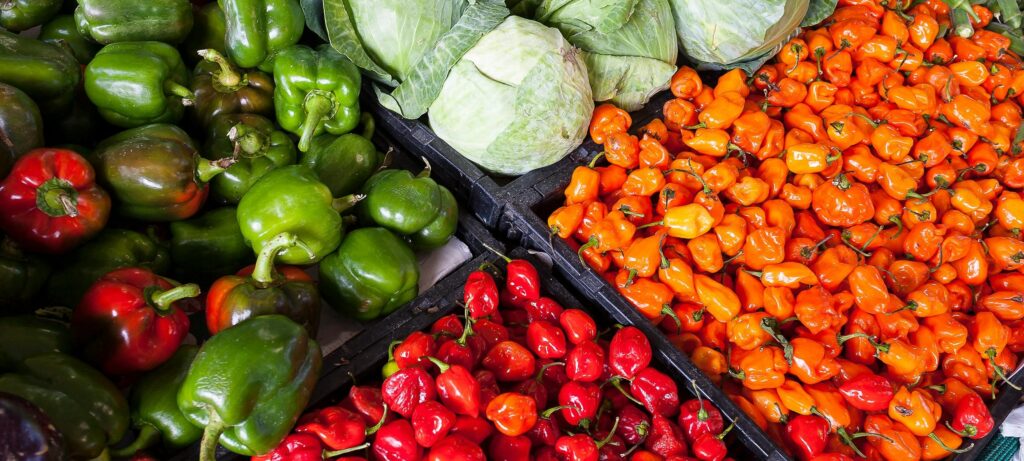
Tomatoes and pepper experience sharp price increases during off-season months due to reduced supply.
Maize and rice prices often improve months after harvest when stored grains begin to reduce in circulation.
Plantain prices fluctuate depending on regional supply cycles.
Understanding these patterns helps farmers decide planting dates strategically.
Instead of planting when everyone plants, some farmers adjust timing slightly to enter the market earlier or later.
That small adjustment can change income significantly.
The Danger of Trend Farming
Many farmers make decisions based on current market excitement.
They hear that ginger price increased. Everyone plants ginger.
They hear that soybeans performed well. Everyone shifts to soybeans.
By the next season, supply expands rapidly.
Price drops.
Profit disappears.
Agriculture punishes late followers.
Market trends should inform decisions, not control them.
Before planting, ask:
Will demand still exist when I harvest?
How many others are entering this crop?
Is supply expected to increase?
Forward thinking protects investment.
How Smart Farmers Study Demand
Understanding seasonal demand does not require advanced technology.
It requires observation.
Visit major markets regularly. Speak with traders. Ask when prices usually rise or fall.
Track prices across months.
Even a simple notebook record of market prices over one year can reveal patterns.
You begin to notice when scarcity happens.
You begin to notice when buyers compete for supply.
Information gathered consistently becomes an advantage.
Storage: The Bridge Between Seasons
Storage connects low-price season to high-price season.
Without storage, farmers must sell immediately after harvest.
With storage, farmers gain flexibility.
Grains such as maize, rice, and soybean can benefit greatly from proper storage systems.
However, storage must be planned carefully. Poor storage leads to pest damage and quality loss.
The goal is not to delay sales blindly but to sell when market conditions improve.
Market Timing vs Production Timing
Many farmers focus only on production timing.
But successful agribusiness owners think about market timing.
Production answers the question: When can crops grow best?
Market timing answers: When will buyers pay more?
The best strategy balances both.
Sometimes planting slightly earlier or later than the majority allows entry into a less crowded market window.
That difference may determine profitability.
Investors Must Understand Seasonality Too
Agricultural investors often project revenue using current market prices.
This creates unrealistic expectations.
If tomatoes sell high today, projections assume the same price months later.
But agriculture rarely works that way.
Investors should analyze average seasonal prices rather than peak prices.
Planning based on average market conditions reduces disappointment.
Stable returns come from realistic assumptions.
Common Seasonal Mistakes Farmers Make
Some farmers harvest without confirmed buyers.
Others plant without checking historical demand.
Some depend entirely on middlemen who dictate price during surplus periods.
These mistakes repeat because seasonal patterns are ignored.
Agriculture rewards preparation more than effort alone.
How to Position Yourself Better
Start by identifying crops with predictable seasonal demand.
Plan planting dates carefully.
Consider irrigation where possible to target off-season markets.
Develop storage capacity where practical.
Build relationships with buyers before harvest.
Each of these steps increases control over pricing.
And control improves income stability.
The Bottom Line
In agriculture, timing influences profit as much as yield.
Farmers who understand seasonal demand do not rush into crowded markets. They plan entry carefully.
They study price movement across the year.
They prepare for scarcity periods instead of reacting to them.
When production aligns with market demand, farming becomes more predictable.
And predictability is what turns farming into sustainable business.
If you are planning a farm project or agricultural investment, do not focus only on what to plant.
Focus on when to plant and when to sell.
At Vantage Nigeria, we help farmers and investors plan agricultural projects using market realities, not assumptions.
Visit our website or speak with our team to structure your next farm investment with proper market timing in mind.