Most people think agriculture ends at harvest.
It does not.
Harvest is only the middle of the story.
Before harvest, there is land, seed, labor, and cost. After harvest, there is storage, transport, processing, packaging, and sales. Between these stages, money can be made or lost.
If you want to succeed in modern farming, you must understand the full value chain. Not just production.
This is where many farmers struggle. They know how to plant. They know how to weed. They know how to harvest. But they do not fully understand what happens before and after.
And that gap is expensive.

Let us break it down in a simple and practical way.
What Is an Agricultural Value Chain?
An agricultural value chain is the full process that takes farm produce from the soil to the final consumer.
It includes everyone involved:
The person who supplies seeds.
The farmer who plants.
The laborers on the farm.
The processor who adds value.
The transporter who moves goods.
The trader in the market.
The retailer in the city.
And the customer who buys.
Each stage adds cost. Each stage adds value. Each stage carries risk.
If you only focus on one stage without understanding the rest, you may work hard but earn little.
In Nigeria, many farmers stay only at the production stage. That is why middlemen often control the largest share of profit.
Understanding the value chain helps you decide where you want to sit.
Stage One: Input Supply
Before planting, someone must supply seeds, fertilizer, chemicals, tools, or machinery.
In Nigeria, many farmers buy inputs at retail price in small quantities. That raises cost per hectare. Some also buy poor quality inputs due to lack of information.
If input quality is poor, yield suffers. If cost is too high, profit shrinks.
This stage matters more than most people admit.
A smart agribusiness owner studies input sources. Can you buy in bulk? Can you partner with suppliers? Can you secure better seed varieties?
The value chain begins here, not at harvest.
Stage Two: Production
This is what most people call farming.
Land preparation. Planting. Weed control. Pest management. Irrigation. Harvest.
Production determines quantity and quality.
But quantity alone does not guarantee income.
If you produce maize when everyone else produces maize, market price drops. If your tomatoes spoil before reaching market, yield does not matter.
Production must connect to market demand.
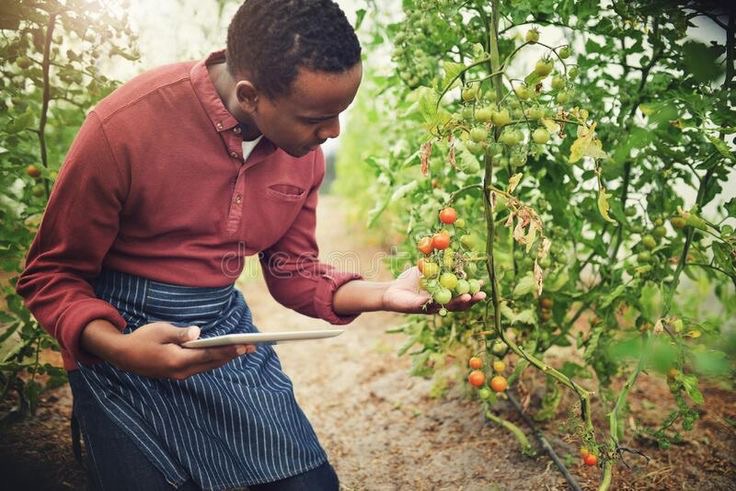
[Image Placeholder: Farmer inspecting crops on a well-managed Nigerian farm]
Many Nigerian farmers plant first and search for buyers later. That is backwards.
Value chain thinking says: identify market first, then produce.
Stage Three: Aggregation and Storage
After harvest, produce must be collected, sorted, and stored.
This is where heavy losses happen in Nigeria.
Poor storage leads to mold, spoilage, and weight loss. For perishable crops like tomatoes and vegetables, delay of one or two days can reduce value.
Grains stored in bad conditions lose quality. Buyers pay less.
Aggregation also matters. Small farmers who sell in tiny quantities have weak bargaining power. When produce is combined in larger volumes, better prices are possible.
This is why cooperatives, clusters, and structured buying systems can improve income.
Many farmers ignore this stage, yet it decides real profit.
Stage Four: Processing
Processing adds value.
Cassava becomes garri or flour.
Maize becomes feed or flour.
Palm fruit becomes oil.
Cocoa becomes butter or powder.
Raw produce often sells for lower prices. Processed goods can earn more.
But processing also requires capital, knowledge, equipment, and market access.
Not every farmer must process. But every farmer should understand how processing affects price.
If a processor earns three times more from your crop, ask yourself why. Can you partner? Can you supply directly? Can you upgrade your position in the chain?
This is how agribusiness grows.
Stage Five: Distribution and Transport
Moving produce from farm to market is not simple in Nigeria.
Bad roads increase transport cost. Fuel price affects final selling price. Delays reduce freshness.
Many farmers calculate cost of production but forget transport.
If it costs ₦500 to produce one unit and ₦200 to transport, your real cost is ₦700. If market price falls to ₦650, you lose money even if your farm performed well.
Value chain awareness prevents this mistake.
Before planting, ask: where will this product be sold? How far? At what transport cost?
These questions protect profit.
Stage Six: Wholesale and Retail
Once produce reaches urban centers, traders and retailers take over.
They set margins. They respond to demand. They adjust price based on supply.
If supply is high, price drops. If supply is low, price rises.
Understanding this cycle helps farmers time production.
For example, planting early may allow you to enter market before peak supply. That can increase revenue.
Many farmers chase high price trends without checking future supply. By the time they harvest, the market is saturated.
The value chain rewards those who study patterns.
Where Do You Fit in the Chain?
You do not have to remain only a producer.
Some farmers become aggregators.
Some move into processing.
Some build brands and sell packaged goods.
Some secure supply contracts with institutions.
But growth must be planned. Each step requires skill, capital, and market knowledge.
Jumping too far without preparation can lead to loss.
Start by understanding your current position. Then look at adjacent opportunities.
Common Value Chain Problems in Nigeria
Nigeria’s agricultural system faces several practical challenges.
Post-harvest loss remains high. Storage systems are weak in many rural areas. Market information does not always reach farmers on time. Access to finance can limit expansion.
There is also price instability. Farmers sometimes face sudden price drops due to import policy changes or seasonal oversupply.
These realities mean you must plan with caution.
Blind optimism does not survive in agribusiness.
How Value Chain Knowledge Increases Profit
When you understand the full chain, you make better decisions.
You plant based on demand, not guesswork.
You calculate full cost, not partial cost.
You consider storage before harvest.
You think about buyer before seed touches soil.
This reduces waste.
It also helps during negotiation. If you know the processor’s margin, you negotiate with confidence. If you know urban retail price, you avoid underpricing.
Information gives leverage.
Practical Steps for Farmers and Investors
First, study your crop’s full path from input to consumer. Visit markets. Speak to traders. Observe price movement across seasons.
Second, calculate total cost across the chain, not only production cost.
Third, build relationships beyond your farm gate. Transporters, processors, aggregators, and retailers are part of your business ecosystem.
Fourth, consider small upgrades. Better storage. Improved packaging. Direct supply to institutional buyers.
Each small improvement can shift your position upward.
Why Investors Must Understand This Too
Agricultural investors often focus on yield projections.
They ask, “How many tons per hectare?”
That question matters. But it is not enough.
They should also ask:
Who will buy?
At what price?
In what season?
At what transport cost?
With what storage system?
Without these answers, financial projections can mislead.
Value chain knowledge protects capital.
Modern Farming Requires Market Awareness
Modern farming in Nigeria is not only about good soil and rainfall.
It is about data. Timing. Contracts. Cost control.
Farmers who think beyond harvest tend to last longer.
This does not require huge capital. It requires attention and planning.
Agriculture is not guesswork. It is business.
When you understand the value chain, you stop reacting to market surprises. You begin to anticipate them.
That shift changes outcomes.
Key Takeaways
If you remember one thing from this article, let it be this:
Harvest is not the finish line.
The real work continues after crops leave the field.
Study your value chain. Know every hand that touches your produce. Understand where value increases and where it leaks away.
That knowledge can be the difference between constant struggle and steady growth.
In the next article, we will discuss how to price your farm produce for profit without panic or guesswork.
Because in agriculture, production is only half the story.