Many farming problems in Nigeria do not start after planting. They start before planting. Land preparation is one of the most ignored stages in farming, yet it determines how well crops grow, how much effort is required later, and how successful the farm becomes.
This article explains what proper land preparation really means, why it matters, and what Nigerian farmers should do before putting any seed or seedling into the ground.
What Land Preparation Really Is
Land preparation is the process of getting land ready for planting. It is not just about clearing bushes. It involves planning, observation, and arranging the land in a way that supports crops.
Good land preparation helps:
- Roots grow freely
- Water move properly
- Weeds reduce naturally
- Inputs work better
Skipping this stage creates problems that are difficult to fix later.
Understanding Your Land First
Before touching the land, farmers should understand it.
Key things to observe include:
- Soil texture
- Slope and drainage
- Previous land use
- Vegetation type
Land that looks similar can behave very differently once crops are planted.
Clearing the Land Properly
Clearing removes bushes, grasses, and unwanted trees. The method used depends on the crop type and land condition.
Clearing methods include:
- Manual clearing
- Mechanical clearing
- Controlled burning (with caution)
Poor clearing leaves roots and stumps that later interfere with planting and weeding.

Stumping and Debris Removal
Tree stumps and roots restrict root growth and make future farm operations difficult.
Benefits of proper stumping:
- Easier planting
- Better root penetration
- Smooth movement during farm work
Leaving stumps behind saves money early but costs more later.
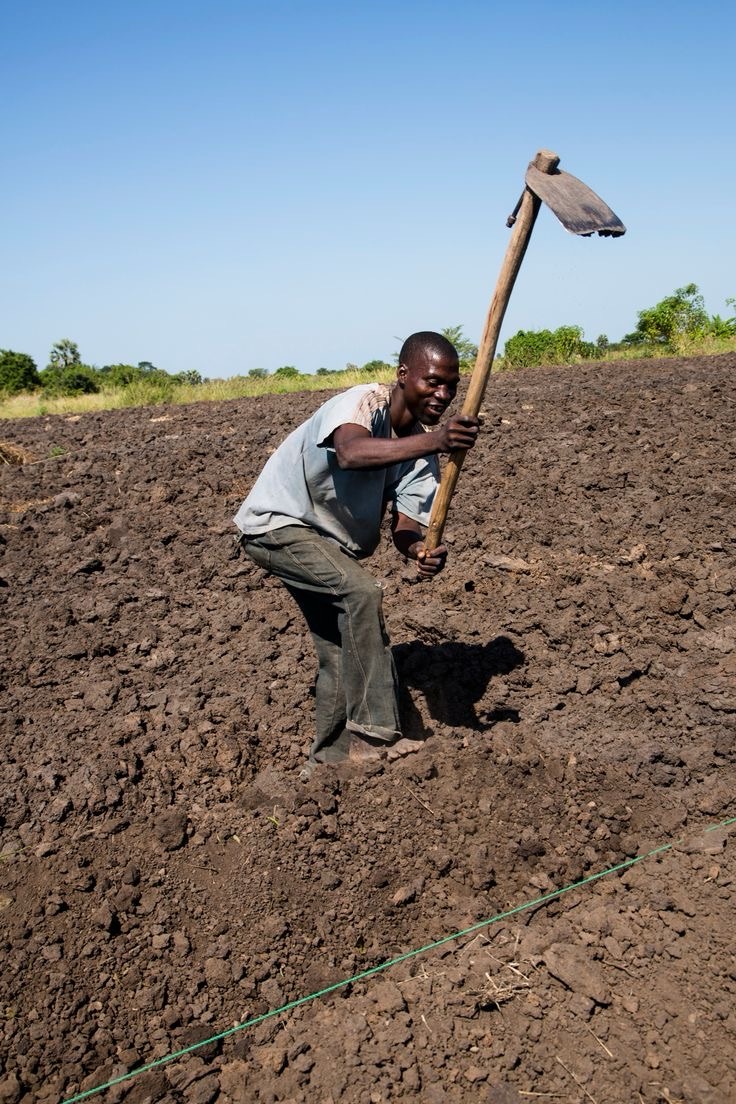
Tilling and Soil Loosening
Tilling loosens the soil to improve aeration and root development.
Not all crops require heavy tilling. Some crops prefer minimal disturbance.
Tilling helps:
- Break hard soil
- Improve water infiltration
- Make planting easier
Over-tilling, however, damages soil structure.
Land Layout and Marking
Proper layout determines spacing, movement, and efficiency.
Layout planning includes:
- Row arrangement
- Pathways
- Drainage channels
Marking the land before planting prevents overcrowding and uneven spacing.
Drainage and Water Control
Water is useful only when controlled. Poor drainage leads to waterlogging and root rot.
Drainage planning involves:
- Identifying low areas
- Creating channels
- Managing runoff
This is especially important in high-rainfall zones.
Soil Improvement Before Planting
Some soils require improvement before planting begins.
This may include:
- Adding organic matter
- Applying lime
- Resting the land
Improving soil early reduces dependency on heavy fertilizer later.
Timing of Land Preparation
Timing matters as much as the work itself.
Land preparation should:
- Align with rainfall
- Be completed before planting season
- Allow soil to settle
Rushed preparation often leads to uneven planting.
Common Land Preparation Mistakes
Mistakes farmers make include:
- Clearing and planting immediately
- Ignoring slope and drainage
- Overworking the soil
- Skipping layout planning
These mistakes affect yield for the entire season.
Land Preparation for Different Crop Types
Different crops require different preparation intensity.
- Vegetables need finer soil
- Cereals prefer moderate tillage
- Tree crops need proper spacing and pits
Matching preparation to crop type improves performance.
Why Good Land Preparation Saves Money
Proper preparation:
- Reduces weed pressure
- Improves fertilizer efficiency
- Makes maintenance easier
Money spent early often saves more money later.
Land preparation sets the tone for the entire farming season. Crops respond to the foundation given to them. When land is prepared properly, farming becomes easier, more predictable, and more productive.
“Strong farms start with proper land preparation.
Follow Vantage Nigeria for practical agricultural guidance, or reach out if you need help preparing your land the right way before planting.”