Many farmers in Nigeria want a cash crop that can give steady income for many years without too much stress. When people talk about cash crops that can hold a family up for a long time, cocoa and cashew always enter the discussion. Both crops have strong markets in and outside the country. Both crops can do well when the farmer knows what he or she is doing. But the truth is that they behave in different ways. Their cost level, waiting time, strength, weak points, and long-term rewards are not the same.
This is why many new farmers often ask one simple question: “Between cocoa and cashew, which one gives higher long-term returns?”
To answer that question in clear terms, we must look at how each crop works in real life, how much money a farmer spends on them, how soon income starts, and how stable the harvest can be over many years.
How Cocoa Works in Real Life

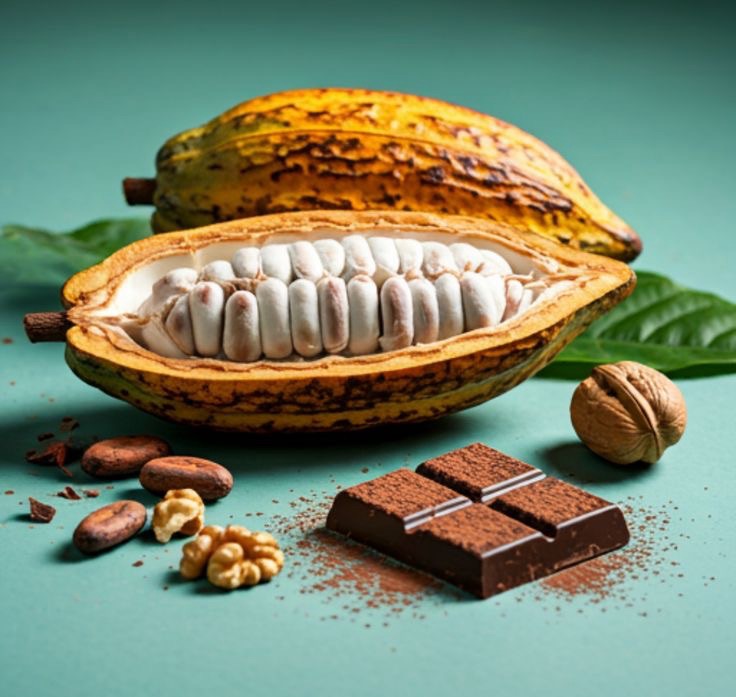
Cocoa has a long history in Nigeria. Many farmers grew up on cocoa farms. Families paid school fees from cocoa money. Houses were built from cocoa income. It is a crop that has passed through generations and still has strong demand across the world because chocolate firms and other industries depend on it.
But cocoa is not a crop that rewards the farmer fast. The trees need time to settle. Young cocoa trees need many years before they can give full harvest. A farmer must be patient and ready to spend money during those early years. The soil must be rich enough, shade trees must be set in the right places, and the farmer must watch the farm with care.
Cocoa needs steady attention. It is not a crop you plant and forget. If you ignore it, diseases can spread fast. Black pod is a major enemy. Termites can damage young trees. Some trees can dry up if the farmer does not observe the farm often. Pruning takes time. Clearing must be done well. Chemical treatments can be costly. All these things raise the yearly cost of cocoa.
But when cocoa finally enters its strong years, the harvest can be good. The quantity of pods can shock a farmer who has never handled cocoa before. A mature cocoa farm can give income for many decades if the trees stay healthy. This is why many old farmers still love cocoa. They believe it is a steady source of money across a long period.
The main weakness of cocoa is the market. The price moves up and down often. Sometimes the price is high and farmers celebrate. Other times the price falls and income shrinks. A farmer who depends only on cocoa must prepare for these swings. That does not mean cocoa is bad. It only means the farmer must understand the market and plan ahead.
How Cashew Works in Real Life

Cashew is one of the easiest cash crops for new farmers. It is a strong tree and does not stress the farmer. Cashew survives heat better than many other crops. It does not fear dry seasons the way cocoa does. It stands firm in many soil types, and the cost of maintenance is low.
One of the biggest advantages of cashew is early harvest. A farmer does not wait too long before the first set of nuts start to fall. Even if the yield is not huge at first, at least the farmer knows that the land has started to pay something. As the trees mature, the harvest increases, and the money becomes steady with little stress.
Cashew does not fall sick easily. The trees are strong. There are a few pests and conditions to watch out for, but they do not drain the farmer the way cocoa pests do. A simple routine of pruning, weeding, and fire control during dry season can keep the farm in good shape.
The cashew market has grown a lot in recent years. Foreign buyers enter Nigeria during the season, and the demand continues to rise year after year. Prices may rise or fall too, but they do not move as sharply as cocoa prices. The cashew nut market is strong because cashew has many uses in food and snack production worldwide.
Cocoa is a high-cost crop in the early years. The farmer spends money on seedlings, shade trees, care work, chemicals, and labour. The cost does not drop much even when the trees mature. A cocoa farmer must spend every year to keep the trees in shape. If the farmer ignores the farm for one or two seasons, the yield can drop sharply.
Cashew is low-cost. The farmer does not need too many chemicals. Labour needs are small. The trees stand firm without constant care. The cost drops even further as the trees get older. This is why many farmers say cashew gives “peace of mind.”
Comparing Time Before Harvest

Cocoa takes time. A farmer may wait many years before full harvest. Small harvest may come earlier, but real income comes later.
Cashew comes through faster. A farmer can start seeing fair yield in fewer years. This early return gives hope and support to small farmers with low capital.
Comparing Stress Level

Cocoa requires presence. It demands worry, care, observation, labour, and money. It is a crop for farmers who want a long-term project and do not fear hard work.
Cashew requires calm work. A farmer can have time for other things and still maintain a strong cashew farm. It is suitable for people with busy schedule or farmers who want to manage many ventures at the same time.
Comparing Long-Term Income

Both crops can give strong long-term income, but they do it in different ways.
Cocoa pays well per hectare once the trees mature. A healthy cocoa farm can produce pods in large numbers. If the world market price rises, the farmer can make very strong income in one season. But cocoa demands high cost to keep the farm in good shape. The profit can reduce if the price falls or if disease hits the farm.
Cashew gives steady yearly income with small cost. It may not produce the same high level of return per hectare as cocoa in some years, but the low cost and steady demand make the net profit attractive. Many farmers say cashew is “slow but sure.”
Who Should Choose Cocoa?

Cocoa fits a farmer who has patience, money for early years, time to stay close to the farm, and willingness to handle regular care work. It is for people who prefer high long-term profit even if the path is tough.
Who Should Choose Cashew?

Cashew fits a farmer who wants early returns, low yearly cost, and trees that stay strong without much care. It is ideal for people who want steady yearly cash and calm work.
Real-Life Situation in Rural Communities

Many young farmers now prefer cashew because they want a crop that matches their small budget and low start-up strength. They want a crop that will not drain their pocket or demand daily attention. Cashew fits this plan well.
Older farmers who grew up around cocoa still trust cocoa because they know how to handle it and understand the market pattern. For them, cocoa feels like a family legacy.
Both crops are good. Both crops bring money. The best choice depends on the farmer’s mind, patience, and resources.
If you need help setting up a cashew or cocoa farm, or you want support to pick the right crop for your land and budget, reach us on 08109997406.