



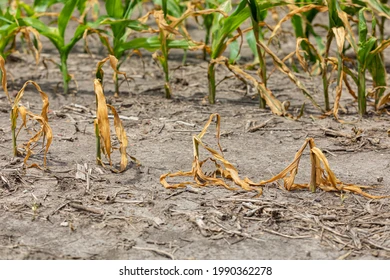
Buying a farm is a big step. It feels exciting at the start, but many new farm owners find out too late that things don’t always go as planned. Some mistakes cost time. Others cost money. A few can even ruin the whole project.
The good news is this: most of these mistakes are avoidable if you know what to watch out for.
At Vantage Nigeria, we’ve worked with many clients who are new to farming. We’ve seen what works and what doesn’t. In this article, we’ll talk about five mistakes new farm owners often make—and how to avoid each one.

Mistake 1: Not Checking the Land Well Before Buying
Some people buy land without checking the full story. They see a flat piece of land, maybe a few green plants, and a seller who seems honest. That’s not enough.
We’ve seen land that looked fine during the dry season but floods completely during the rains. Some lands are hard to access with vehicles. Others have hidden disputes or overlapping claims.
Before you buy any land for farming, do a full check. Walk around it more than once. Visit during the rainy season if possible. Ask locals questions. Check records at the Ministry of Lands. Talk to neighbors. Don’t rely only on what the seller or agent says.
It’s better to lose a few days now than to lose your money later.
Mistake 2: Rushing Into Planting Without a Plan
New farm owners are often eager to start. Once they clear the land, they want to plant right away. But farming is not about speed. It’s about timing, soil, labor, and costs.
We’ve had people plant maize two weeks too early or cassava without enough stems. Others plant without thinking about how they will harvest or who will buy the crops.
Start with a clear plan. What crop makes sense for that soil and area? When is the right time to plant? Do you have labor ready for weeding and harvest? What about buyers or storage?
Good farming is like good cooking. You need the right ingredients, in the right order, at the right time. If you rush, you spoil the whole pot.
Mistake 3: Ignoring Community Relationships
Farms are not just about land and crops. They are also about people. Every piece of land sits inside a community—and that community can help or block your work.
Some new owners act like strangers. They arrive, fence the land, and hire outsiders. They don’t greet local elders. They don’t ask who owns the nearby land. They don’t even bother to know the youth leaders.
This creates quiet resistance. You may not notice it at first, but it builds up. Workers start quitting. Tools go missing. Fires appear where they shouldn’t. Even theft becomes a problem.
The smart way is to build relationships early. Greet the right people. Hire local when you can. Ask for advice. A respected elder’s blessing can save you many problems.
Mistake 4: Underestimating Farm Costs
Many first-time farm owners use rough guesses. “I think ₦500,000 should be enough.” But farming is full of hidden costs. Tools break. Workers ask for higher pay. Rain delays tasks. Pests strike.
People also forget about transport, storage, and security. And then there are fees for documents or settling disputes if they come up.
If you don’t plan well, you run out of money halfway. That’s when farms are abandoned or sold off cheap.
The smart move is to over-plan your budget. Assume that things will go wrong. Have a small extra fund. Track every expense. Farming doesn’t reward guesswork.
Mistake 5: Trusting the Wrong People Too Quickly
Many new farm owners don’t live near their land. They rely on friends, relatives, or new contacts to manage things. Some of these people are helpful. But many are not ready—or honest.
We’ve seen caretakers who collect money and never show up on site. Some lie about what was done. Others inflate costs. Even hired workers sometimes trick owners by re-selling farm inputs or doing less work.
You must be firm but fair. Do not give full control to anyone you’ve not tested. Visit the farm often, or send someone you trust to check. Pay based on real work, not promises. Get photos. Keep records. If you live abroad or in the city, get a professional to supervise.
Farming from a distance works only when you have the right structure in place.
Starting a farm is not just about planting crops. It’s about making steady, smart decisions. It’s about knowing what can go wrong, and being ready for it. If you avoid these five mistakes, your chances of success go up.
At Vantage Nigeria, we help new farm owners avoid trouble. We vet land, plan farms, and guide you from the first idea to the first harvest.
Before you plant a single seed, ask questions. Make a plan. Talk to people who’ve done it before. That’s the real way to grow.
Thinking about starting a farm? Let’s help you get it right from day one.
Call 091 6333 6051






One response to “5 Common Mistakes New Farm Owners Make—And How to Avoid Them”
Hello Vantage, I just stumbled on your website and like the simple and clear information. I have an acre of land at Sango around the same area with Dangote Cement and Lafarge and toying with the idea of cassava farming. (Have never farmed in my life). How can you help without emptying my pocket?