Poultry Farming for Beginners: Layers vs. Broilers — Which Makes More?
Every week in Nigeria, someone decides to start a poultry farm. And the first question almost every one of them asks is the same: should I raise layers or broilers? The answer depends on your budget, your patience, and how you want to earn your money.
What Are You Actually Choosing Between?
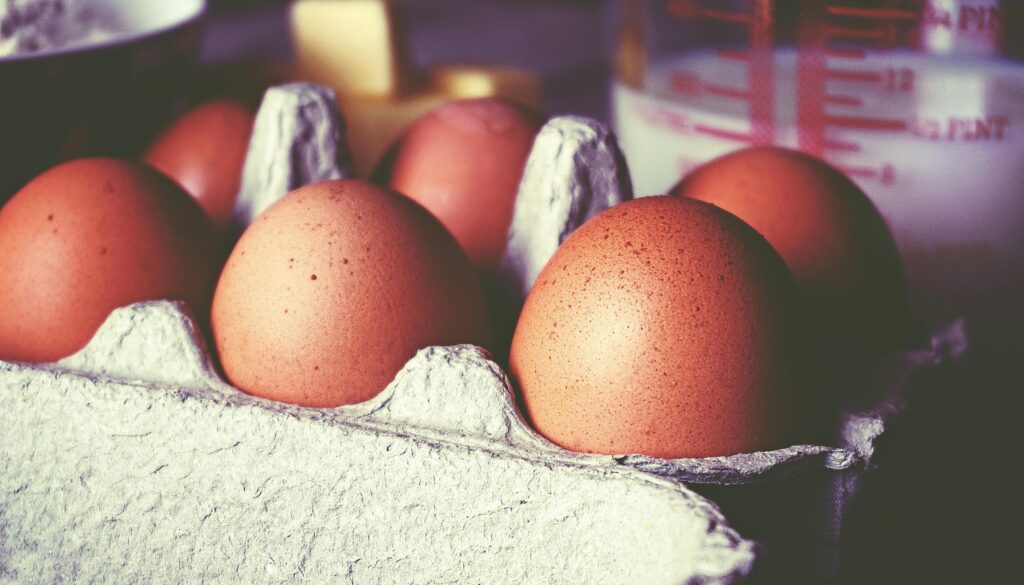
Layers and broilers are both chickens, but they are two completely different businesses. Layers are hens raised to produce eggs. From about 18 to 22 weeks of age, they start laying and keep going for 12 to 18 months, producing 250 to 300 eggs per year each. You sell eggs every few days and earn steadily throughout that whole period.
Broilers are raised purely for meat. They are fast-growing birds that reach a market weight of 1.8kg to 2.5kg in just 6 to 8 weeks. You sell them, clean out the house, and start again with a new batch. The two birds have very different timelines, cost structures, and cash flow patterns — which is exactly why the choice matters.
Layers: The Steady Income Bird
Eggs sell in markets, restaurants, schools, and households all year round. There is almost no off season — which makes layers attractive to farmers who want consistent, predictable cash flow. Here is how the economics break down for a beginner flock of 500 layers using 2025 to 2026 prices:
Day-Old Chick Cost
₦3,100 – ₦3,800
Per chick (500 chicks = ₦1,550,000–₦1,900,000)
Time to First Egg
18 – 22 Weeks
About 5 months before any income arrives
Eggs Per Hen Per Year
250 – 300
At 80–90% production rate in peak months
Selling Price Per Crate
₦5,000 – ₦5,500
30 eggs per crate; varies by location
With 500 hens at 80% production, you get about 400 eggs per day — roughly 13 crates. At ₦5,500 per crate, that is ₦71,500 daily, or about ₦2.2 million per month in revenue. After feed, labour, and medication (which can reach ₦1.3 million to ₦1.5 million monthly), your profit sits at roughly ₦700,000 to ₦900,000 every single month — week after week for the life of the flock.
Broilers: The Fast Turnaround Bird
Broilers suit people who want their money back quickly. In 6 to 8 weeks, you go from day-old chick to harvest. That speed is the biggest attraction of the broiler business — and also the source of its biggest risks.
Day-Old Chick Cost
₦900 – ₦1200
Per chick (500 chicks = ₦450k–₦600k)
Time to Market
6 – 8 Weeks
Much faster than layers
Market Weight Per Bird
1.8 – 2.5 kg
Depending on feed and breed
Selling Price Per kg
₦4,500 – ₦5,500
Live weight; higher for dressed birds
From 500 broilers at a 90% survival rate, you harvest about 450 birds. At 2kg per bird and ₦5,500 per kilogram, total revenue is around ₦4.95 million per cycle. Running costs fall between ₦1.8 million and ₦2.2 million, leaving a profit of ₦2.75 million to ₦3.15 million per batch. With two to three cycles per year, that is ₦4 million to ₦6 million annually from one house.
Side by Side: How They Compare
| Factor | Layers | Broilers |
|---|---|---|
| Production cycle | 12 – 18 months | 6 – 8 weeks |
| Time to first income | ~5 months | ~6 weeks |
| Income type | Weekly / steady | Lump sum at harvest |
| Profit per year (500 birds) | ₦8.4M – ₦10.8M | ₦4M – ₦6M |
| Disease sensitivity | Moderate | High |
| Market demand | Eggs — year-round | Meat — seasonal peaks |
| Best for | Patient investors | Fast cash flow |
The Honest Pros and Cons
Layers
The long-game bird — steady income, longer commitment
- Weekly egg sales mean consistent cash flow
- Year-round demand with no off season
- One flock earns for 12 to 18 months
- Spent hens add final income at end of cycle
- 5 months before any income arrives
- High feed costs during the pre-lay period
- Egg prices soften during festive seasons
Broilers
The fast-return bird — quick profit, higher risk
- Returns in just 6 to 8 weeks
- Strong demand at Christmas, Easter, and Sallah
- Lower capital commitment per cycle
- Easy to restart or adjust between batches
- Very sensitive to heat, ventilation, and disease
- One bad cycle erases your profit
- Prices drop sharply after festive periods
Which One Should You Start With?
Choose broilers if you have limited capital and need returns quickly, or if you already have a ready market for chicken meat — restaurants, event caterers, or market traders. The short cycle also means you can learn fast, adjust, and improve with each batch.
Choose layers if you can wait five months before earning your first naira and want a business that pays you every week without having to restart every two months. Layers reward patience and work well if you have a reliable bulk buyer — a school canteen, a hotel, a supermarket, or a local egg distributor.
Many experienced poultry farmers in Nigeria run both side by side — the steady egg income covers monthly expenses while broiler cycles bring in periodic lump sums. But if you are just starting out, pick one, start small with 100 to 200 birds, and learn the business before you scale. The worst thing you can do is start big before you understand what you are managing.
“The most successful poultry farmers in Nigeria are not the ones who chose the best bird. They are the ones who understood their market, managed their feed costs, and kept their birds alive.”
The Verdict: Which Makes More?
On pure annual profit per 500 birds, layers come out slightly ahead — a single flock generates egg income for 12 to 18 months versus a broiler cycle that resets every two months. A well-run 500-bird layer farm can generate ₦8.4 million to ₦10.8 million in annual profit. A comparable broiler operation typically yields ₦4 million to ₦6 million across two to three cycles.
But if you do not have the capital to wait five months without income, layers will not serve you well no matter how profitable they are on paper. And if you cannot monitor your broilers daily, their fast cycle becomes a fast loss. The bird that makes more for you is the one you can manage well, fund properly, and sell effectively. Start small, learn the business, build your market — then scale.
Ready to Set Up Your Poultry Farm?
Vantage Nigeria works with first-time and experienced farmers to set up profitable, well-structured farm projects across Nigeria — including poultry. From site selection and housing setup to sourcing quality stock and ongoing farm management, we handle the process so you start right.
Talk to Our Team →