Many farm failures in Nigeria are not caused by lack of effort, but by misuse of inputs. Some farmers buy too much too early. Others buy the wrong thing at the wrong time. A few do not buy anything at all and hope nature will do the work.
Farm inputs are tools. When used correctly, they support crops. When misused, they waste money and damage the farm. This article explains what farm inputs are, when Nigerian farmers should use them, and why timing matters.
What Farm Inputs Really Are
Farm inputs are materials and resources added to the farm to support crop growth and productivity. They are not magic solutions. They work only when applied correctly.
Common farm inputs include:
- Seeds and seedlings
- Fertilizers and manure
- Herbicides and pesticides
- Water and irrigation tools
- Farm tools and equipment
Understanding their purpose is more important than buying them.

Seeds and Seedlings: The Foundation
Everything starts with planting materials. Poor seeds lead to poor farms, regardless of how much fertilizer is used later.
Good planting materials should:
- Be disease-free
- Suit local climate
- Come from reliable sources
Planting materials should be purchased close to planting time, not months before.
Fertilizers and Manure: Feeding the Soil
Fertilizer is one of the most misunderstood inputs. Many farmers apply it without knowing what their soil needs.
There are two main types:
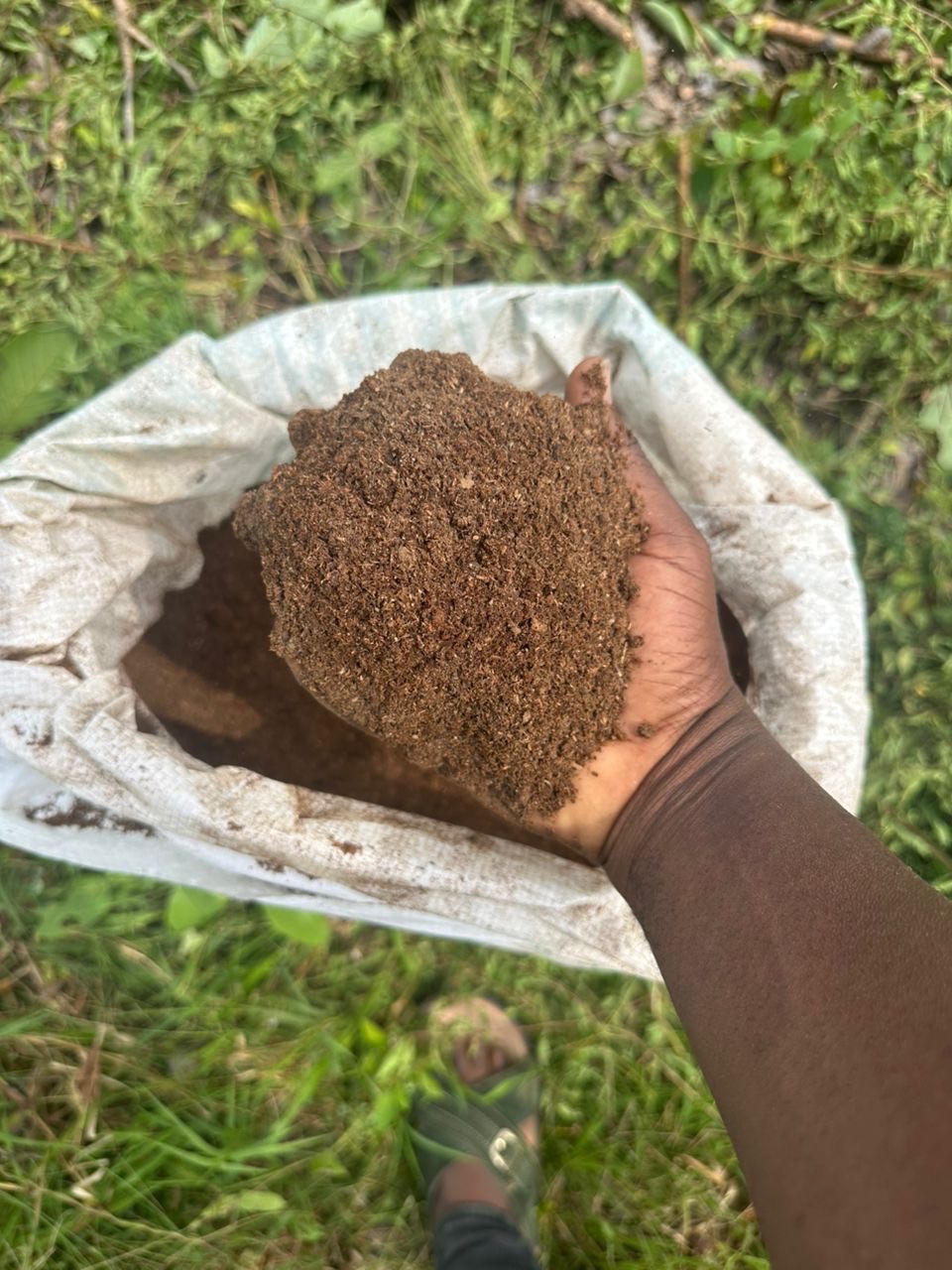
- Organic manure
- Inorganic fertilizer
Manure improves soil structure. Fertilizer provides quick nutrients. Both have their place.

When Fertilizer Should Be Applied
Timing is critical. Applying fertilizer too early wastes nutrients. Applying too late limits growth.
General guidelines:
- Apply after crops establish
- Avoid application during heavy rain
- Follow recommended dosage
More fertilizer does not mean better yield.
Herbicides: Managing Weeds, Not Killing Crops
Weeds compete with crops for nutrients and water. Herbicides help control weeds but must be used carefully.
Mistakes farmers make include:
- Wrong dosage
- Spraying during windy conditions
- Using herbicides meant for other crops
Improper use damages crops and soil.

Pesticides: Protection, Not Abuse
Pesticides protect crops from pests and diseases. They should not be used as routine sprays without cause.
Good practices include:
- Identifying the pest first
- Using the correct product
- Applying only when needed
Overuse creates resistance and harms beneficial insects.
Water as an Input
Water is often ignored as an input, yet it determines success.
Water availability affects:
- Germination
- Growth
- Yield quality
Rain-fed farming works best when planting aligns with rainfall patterns.
Farm Tools and Equipment
Tools reduce labor stress and improve efficiency.
Examples include:
- Hoes and cutlasses
- Sprayers
- Wheelbarrows
Buying tools should match farm size. Overbuying wastes resources.
Why Timing Matters More Than Quantity
Using inputs at the wrong time reduces effectiveness.
Common timing mistakes:
- Fertilizing before germination
- Spraying pests that are not present
- Buying inputs long before use
Timing aligns inputs with crop needs.
Input Planning for Beginners
Beginners should:
- Start simple
- Buy only necessary inputs
- Observe crop response
Experience teaches when to adjust.
Avoiding Input Waste
Waste happens through:
- Expired chemicals
- Wrong storage
- Over-application
Proper storage and usage save money and protect crops.
Farm inputs support crops, but they do not replace good farming practices. Knowing what to buy, when to buy it, and why to use it makes farming more predictable and sustainable.
Understanding farm inputs helps you farm smarter, not harder.
Follow Vantage Nigeria for practical agricultural guidance, or reach out if you need help planning your farm inputs correctly.