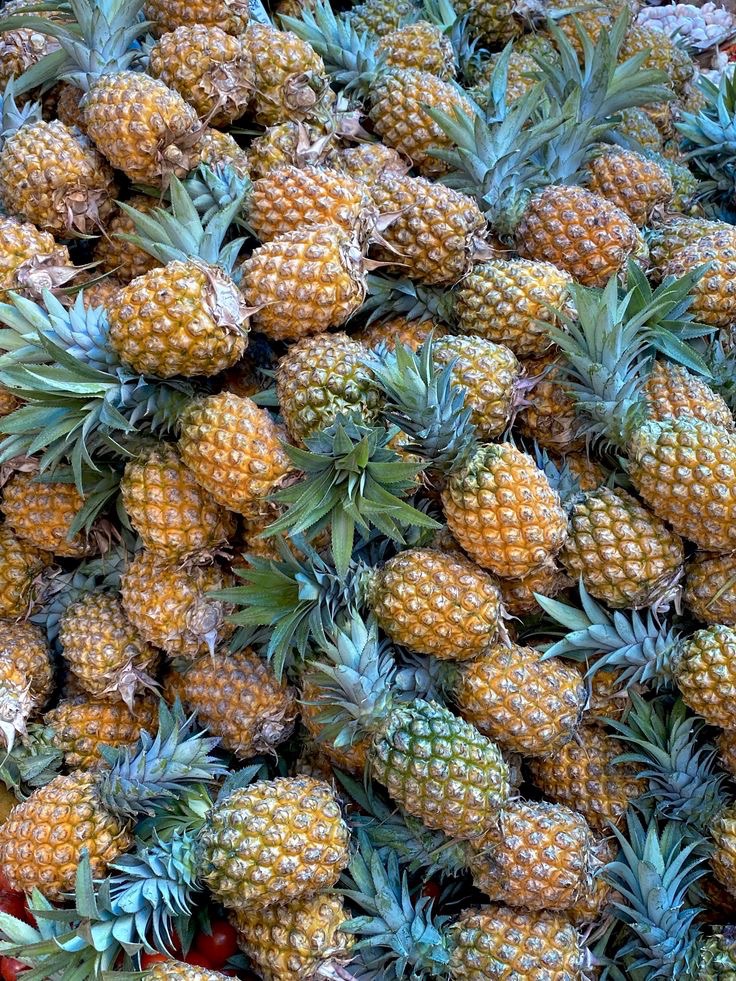
Many farmers in Nigeria want a crop that brings good money without stress. Pineapple fits well into this dream because it grows fast, does well in many soil types, and gives harvest in a short time. If a farmer plans it well, an acre of pineapple can give strong returns within a year. But the income continues across seasons when the farmer keeps the farm active with new suckers.
In this post, we will look at how much a farmer can make from one acre of pineapple, the real cost that goes into the farm, and the year-by-year returns. This is not theory. It is what farmers across Oyo, Osun, Ogun, Edo, Benue, and parts of the South South talk about. Pineapple farming is not as heavy as tree crops. It gives hope fast. It pays well. It also allows farmers to run many cycles in one space.
Most new farmers ask one main question: “Is one acre of pineapple worth it?”
The answer is yes, but let us break it down in a clear and simple way.
The Nature of Pineapple Farming

Pineapple grows well in warm areas. It does not need too much water. It only asks for good sunlight, fair soil, and well-spaced suckers. Unlike crops that take long to mature, pineapple moves fast. Once the farmer sets the suckers, the plant settles well and starts to push its fruit head. In many places, farmers get harvest within 12 to 16 months, and sometimes even earlier in hotter zones.
The plant is strong. If the farmer sets it well, weeds are the only main threat. Once the plants mature and cover the ground, weeds also reduce. This makes pineapple one of the calmest crops for small and medium farmers.
Another good side is that pineapple suckers reproduce in large numbers after harvest. This alone is a hidden source of income. A farmer who handles suckers well can sell thousands out of just one acre.
Cost of Setting Up 1 Acre of Pineapple
The cost for one acre depends on the part of Nigeria, soil condition, and labour price. But farmers talk about the same main items everywhere. These include land clearing, ridges (if needed), suckers, weeding, and fertilizer.
The major cost is the suckers. A full acre takes between 18,000 to 22,000 suckers, based on spacing. When a farmer uses strong and disease-free suckers, the yield improves. Cheap and weak suckers may save cost now but reduce income in the end.
So the money a farmer needs at the start usually goes into:
- Land clearing
- Land layout
- Suckers
- Fertilizer (not too much)
- Labour for setting suckers
- Early weeding
Once the plants take shape, the cost reduces because pineapple does not demand much. The farmer only needs to keep the farm clean and watch the plants closely.
Expected Yield From 1 Acre

One acre of pineapple can give between 15,000 to 20,000 heads if the farmer uses strong suckers and sets them well. But we will work with a fair estimate because some farmers do not get the highest number.
Even at 14,000 heads, the income can still be strong.
Nigeria has a steady market for pineapple. Buyers come from local markets, fruit juice companies, fruit salad sellers, and roadside vendors. Pineapple is always in demand. During peak season the price may drop, but the volume of buyers rises.
Year One: What the Farmer Can Expect

In the first year, the farmer spends money on setup and waits for the plants to mature. The farm begins to show strong growth from the 4th month. By the 8th month, fruit heads appear. By 12 to 16 months, the fruit is ready.
The income for year one comes from:
- Sale of pineapple fruits
- Sale of suckers that grow after harvest
Fruit prices change across the year. In many states, farmers sell one pineapple for ₦300 to ₦500 during normal season. In some peak months, it may drop to ₦200, while off-season can push it to ₦600 or more.
If the farmer sells 14,000 fruits at just ₦300, the income becomes:
₦4,200,000
This is a fair estimate. Some farmers make far more. Some make less. It depends on spacing, sucker quality, weed control, and rain pattern.
Now let us add the sucker income.
After harvest, each plant gives suckers. Some plants give two. Many give three. If a farmer gets an average of 20,000 suckers from the first cycle and sells each one at ₦50, that is:
₦1,000,000
So total year one income can be:
₦4,200,000 (fruit) + ₦1,000,000 (suckers) = ₦5,200,000
This is why many farmers love pineapple. One acre can bring strong cash in the first cycle.
Year Two Returns

By the second year, the cost drops because the farm is already shaped. The farmer may only spend on:
- Land cleanup
- Fertilizer
- Labour
- New suckers that replace old ones
Income for year two is usually higher because the farm owner now understands spacing, weed control, and fruit size better.
Many farmers repeat the cycle on the same land. Others shift to a fresh part of the land to keep the structure neat. In both cases, the farmer gets fresh fruit and fresh suckers again.
Returns for year two can match year one or even pass it if the market is good.
Year Three and Beyond
By the third year, a farmer who has gained experience in spacing and sucker care can hit higher yield than year one. Many farmers also begin to supply bulk buyers, supermarkets, fruit juice firms, and fruit processors.
At this stage, income becomes steady because suckers and fruits continue to bring profit.
Some farmers even use year three to branch into other things like:
- Fresh fruit juice
- Fruit cut cup for stores
- Packaged pineapple pieces
- Dried pineapple
But even without extra processing, the farm still pays well.
Extra Money from Suckers

Suckers are hidden gold. Many farmers do not pay much attention to this side until they see how fast buyers rush it during new planting seasons.
A one-acre pineapple farm can produce between 15,000 to 30,000 suckers in one cycle.
Even if the farmer sells each one for ₦50 to ₦70, the profit is still strong.
This is why some farmers open new farms each year using their own suckers. It reduces cost and increases long-term profit.
Market Strength of Pineapple in Nigeria

Nigeria has steady demand for pineapple. The fruit is cheap, sweet, and used in many homes. Hotels, bars, restaurants, smoothie stands, and fruit salad sellers use it every day.
Even when the price drops, farmers still sell because the volume of buyers rises. Off-season fruits bring higher money. So a farmer who times the cycle well can make steady returns even when others earn less.
Why Pineapple Farms Do Well in Small Spaces
Pineapple does not need too much land. One acre is enough for a farmer to run a strong fruit business. Unlike tree crops that take years, pineapple gives fast returns, and the return cycle repeats many times.
Farmers with small land use pineapple to raise fast cash. Many then use the money to build bigger farms, buy tree crop seedlings, or expand into poultry or catfish.
This is why pineapple is seen as a starter crop for many young farmers.
Who Should Go Into Pineapple Farming?
Pineapple fits farmers who want:
- Fast returns
- Low stress
- A crop that does well in many soil types
- A crop with steady market
- A farm that can pay back the setup cost in one cycle
It also fits people with small land. One acre is enough to run a strong pineapple business.
If you want to set up a pineapple farm, need guidance on sucker selection, land prep, spacing, or want clean suckers for your next cycle, contact us on 08109997406. We can help you plan a farm that gives steady returns.